

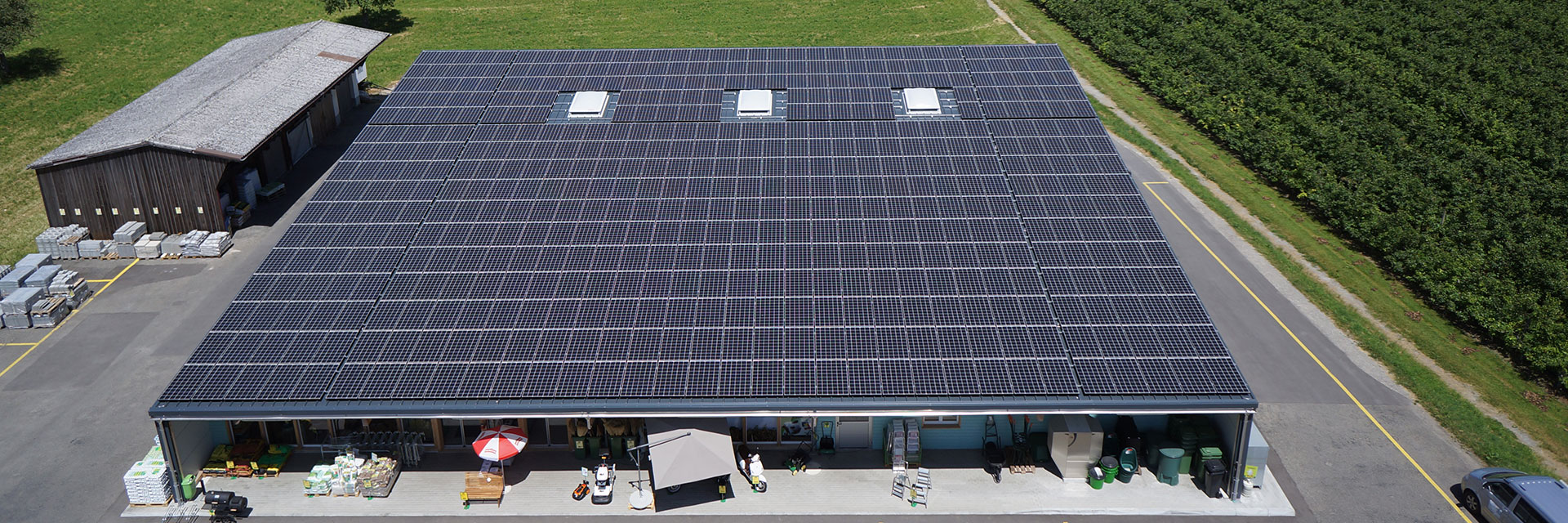
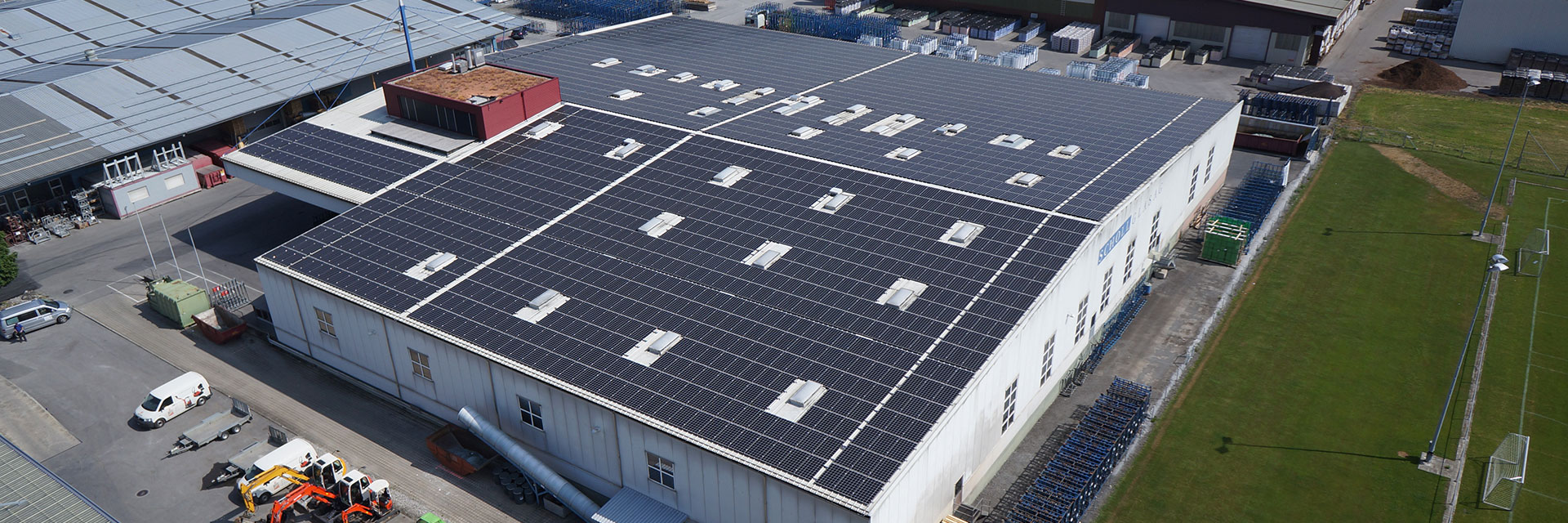
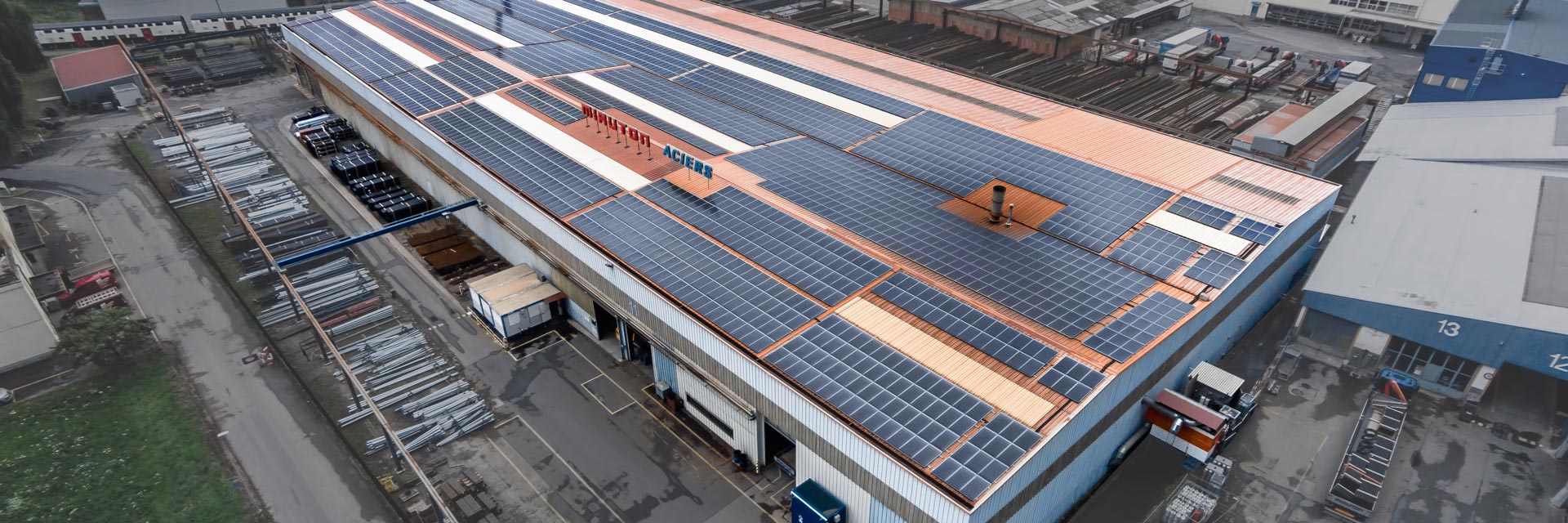
Wir bieten Produkte und Lösungen für unterschiedliche Ansprüche.
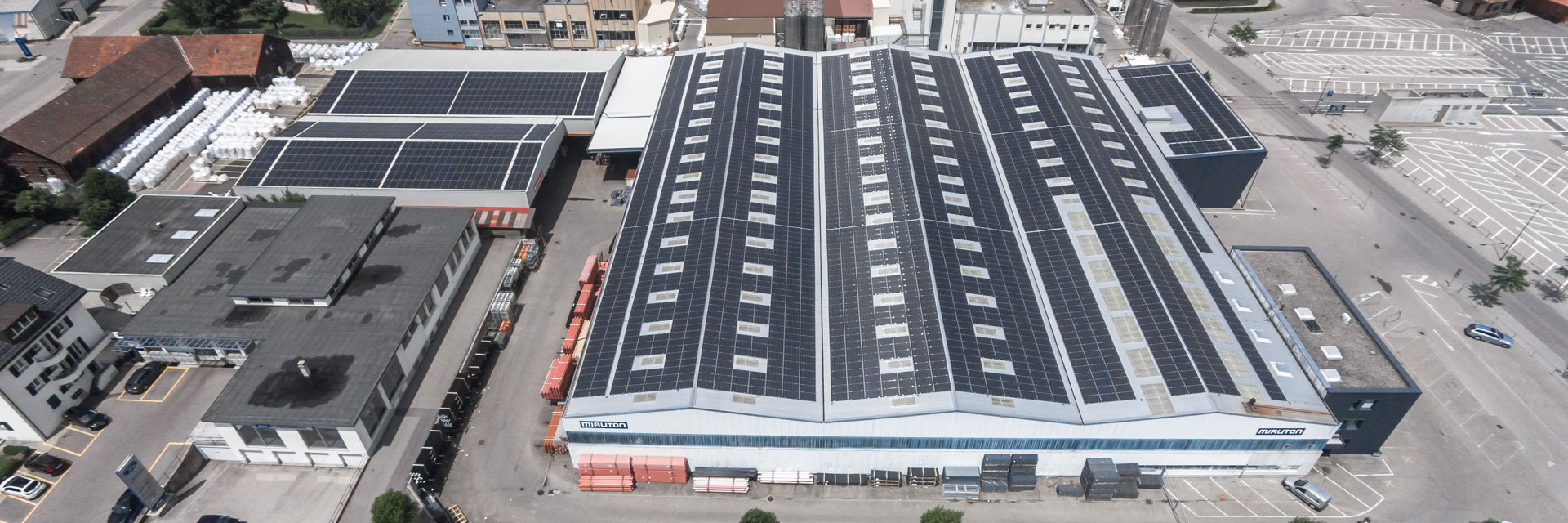
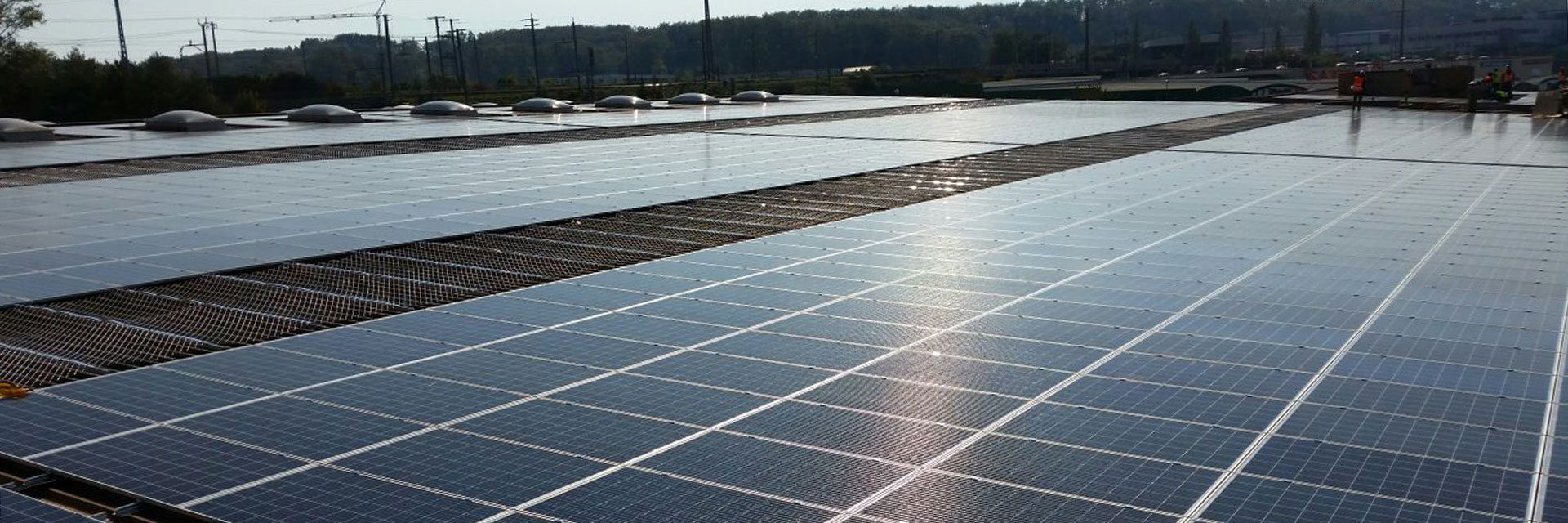
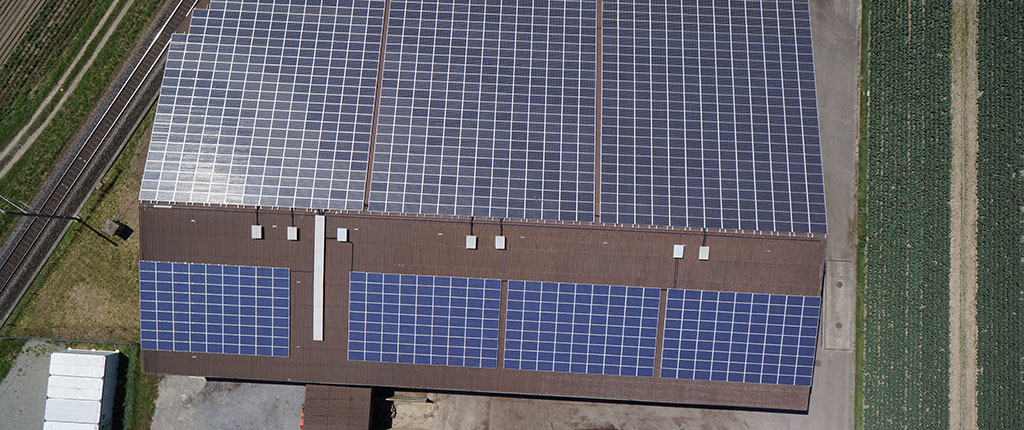
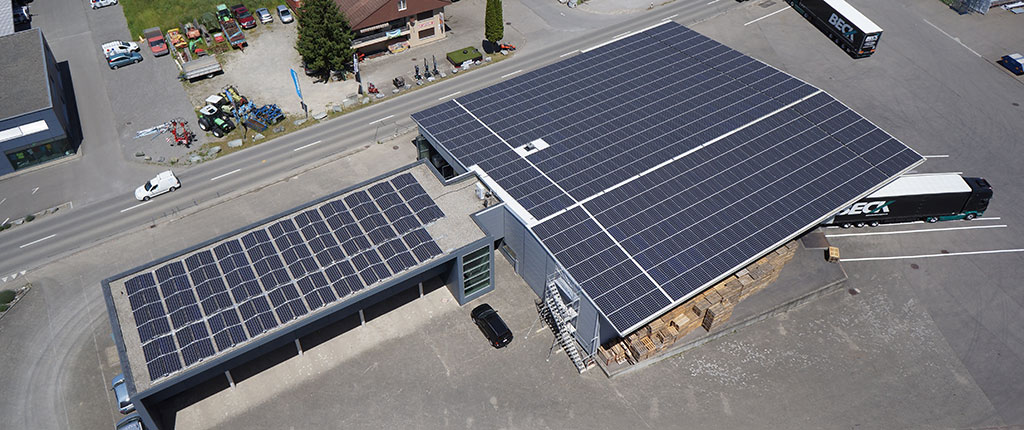
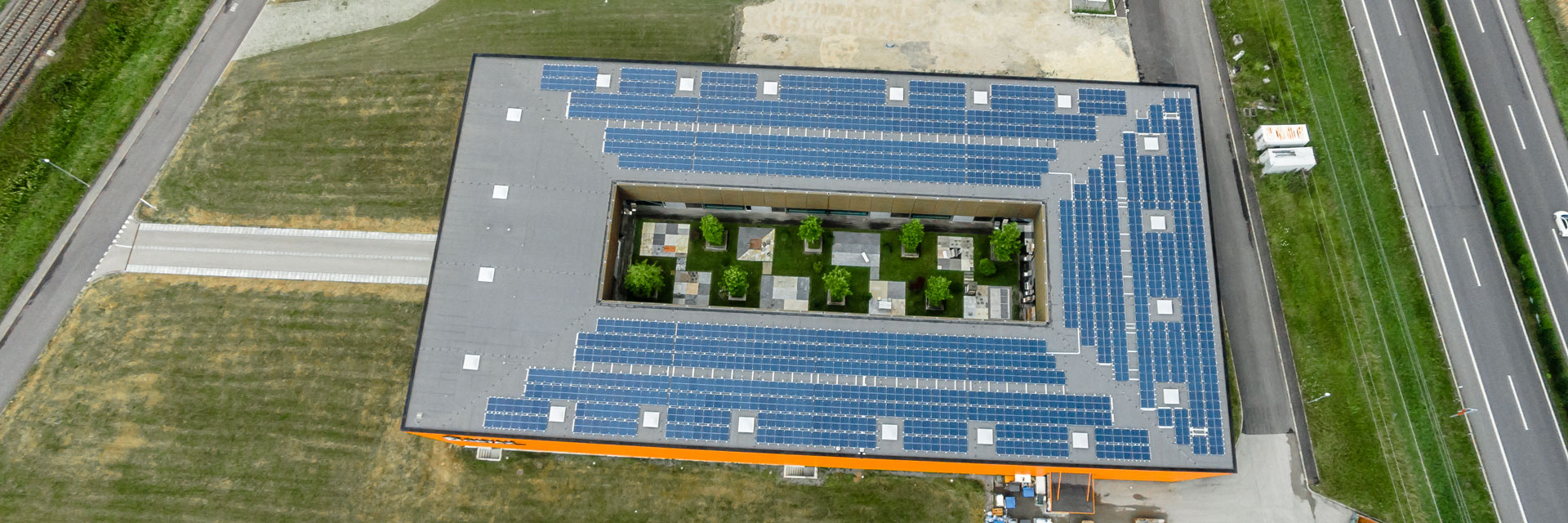
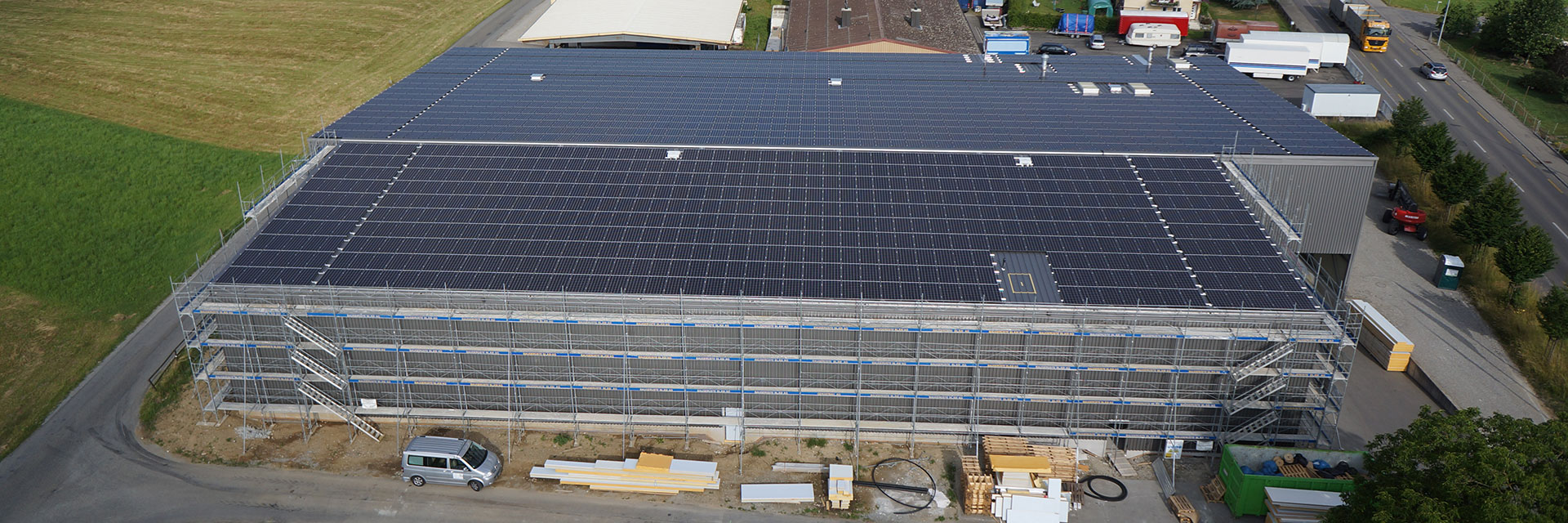
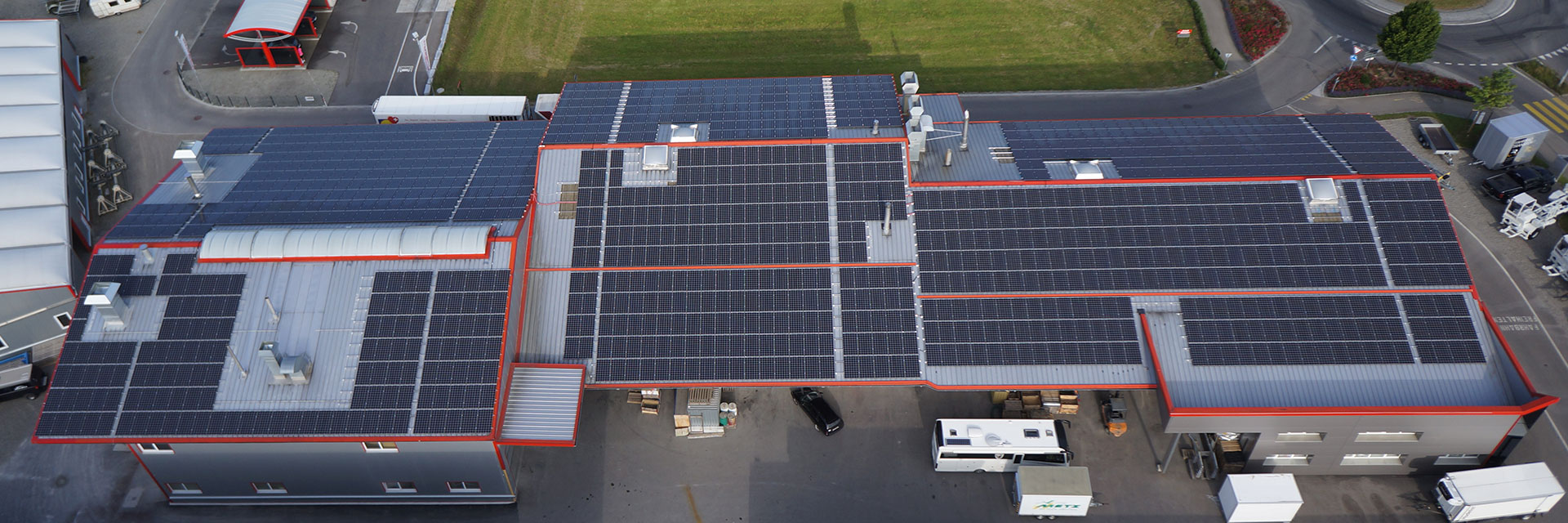
Unser Leistungsspektrum reicht von der Planung über die Projektierung bis zur schlüsselfertigen Installation und Wartung von Photovoltaikanlagen: vom Einfamilienhaus über grossflächige Installationen auf Industriebauten bis hin zu gebäudeintegrierten Systemen.
Energie-CONTRACTING
Erfahren Sie mehr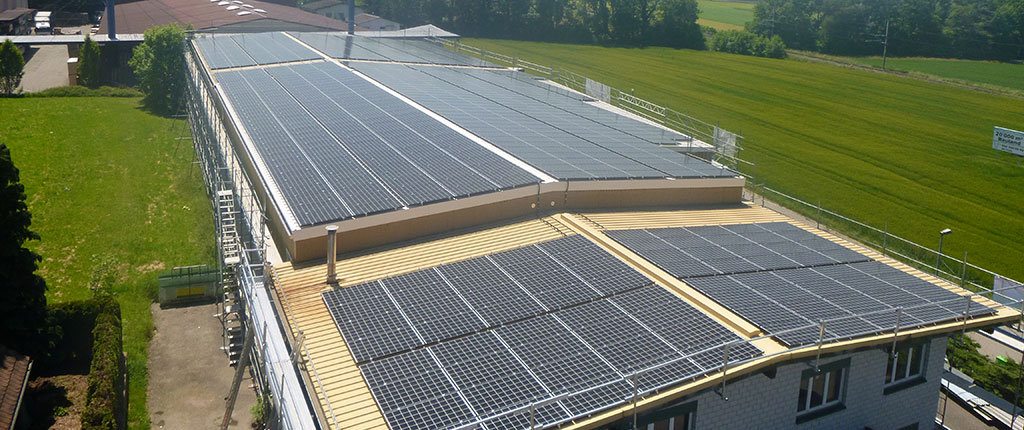
Intelligente Stromnetze
Erfahren Sie mehr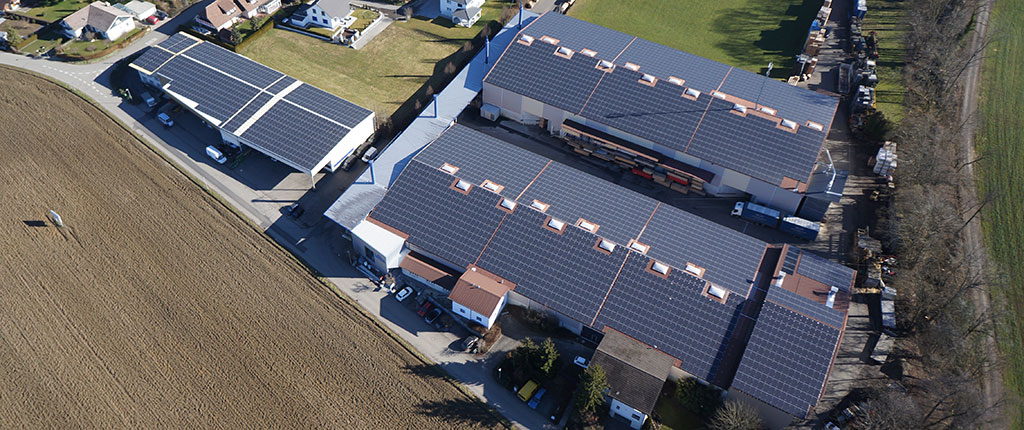
Eigenverbrauchs-Gemeinschaft
Erfahren Sie mehr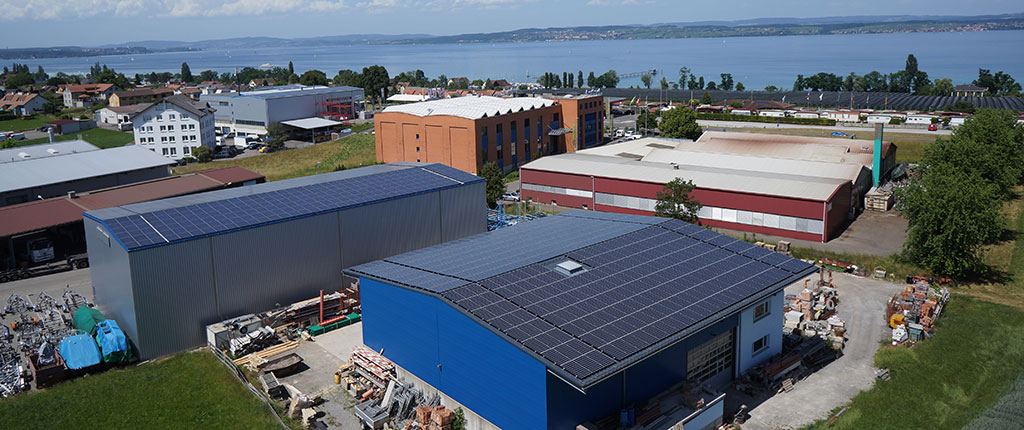
Pressemitteilung
Sharp Energy Solutions Europe und SAT Solar Swiss AG geben ihre Partnerschaft für das Dachanlagengeschäft in der Schweiz bekannt
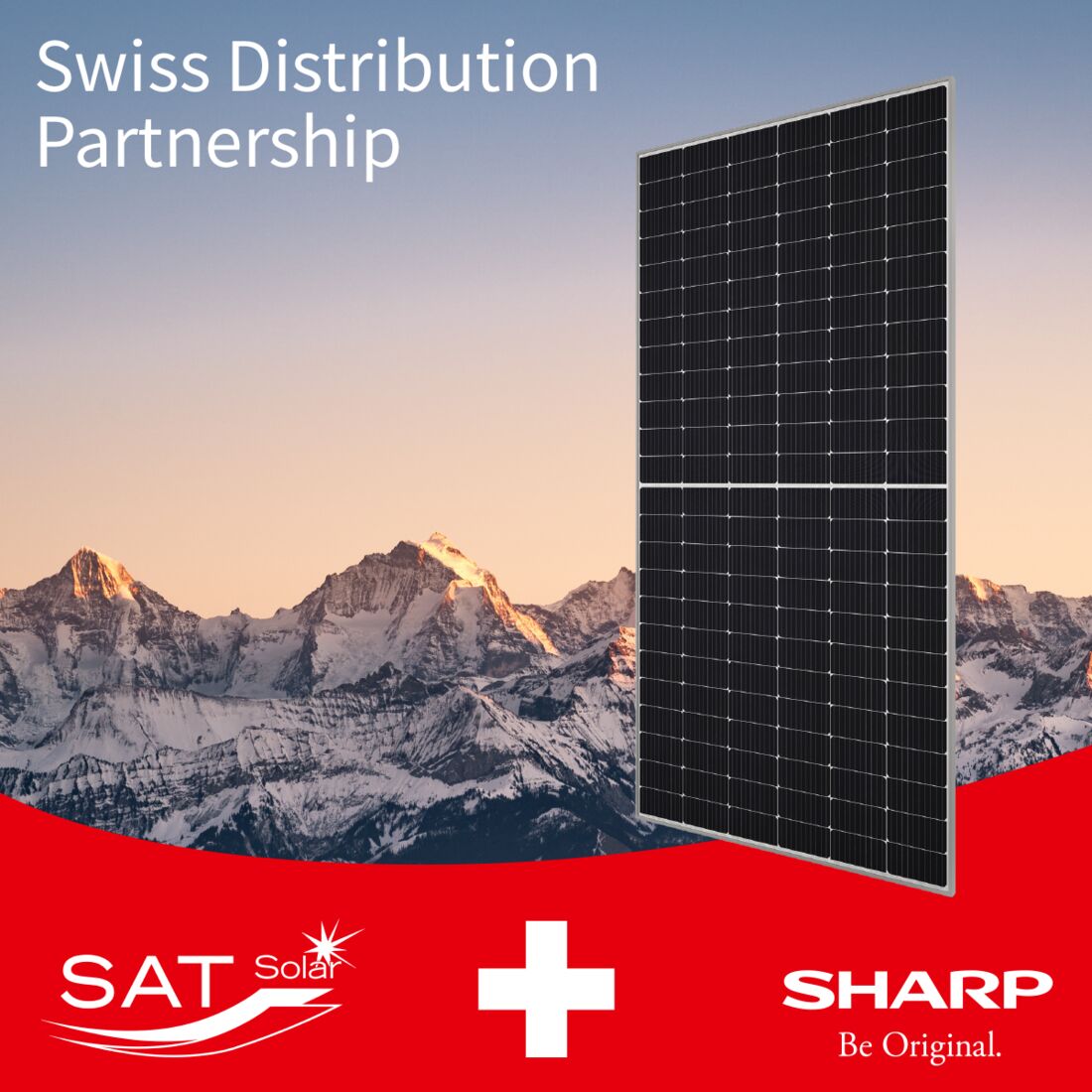
Sharp Energy Solutions Europe ist mit SAT Solar Swiss AG eine Partnerschaft für den Vertrieb von Photovoltaikmodulen für Eigenverbrauchs-anlagen für Schweizer Industriedächer eingegangen.
SAT Solar, mit Sitz in Ermatingen/Thurgau, begann in 2005 als Distributor für Premium-Photovoltaik Komponenten und spezialisierte sich seit 2011 erfolgreich als Projektentwickler und EPC von PV-Systemen für Industrie und Gewerbe in der ganzen Schweiz.
Ziel der Zusammenarbeit ist, die Eigenverbrauchsanlagen, die SAT Solar Swiss AG auf Gewerbe- und Industriehallen in der Schweiz baut, mit möglichst vielen hochwertigen Sharp PV-Modulen zu bestücken. Sharp hat bereits 1 MWp an Hochleistungsmodulen des Typs NU-JD 445 an SAT Solar Swiss AG für verschiedene Dachanlagen eines Konzerns geliefert.
Baubeginn für das zweite gemeinsame Großprojekt über 1.2 MWp erfolgte Anfang November. Weitere Projekte stehen kurz vor Baubeginn oder sind in der Planung für 2022 und folgende Jahre.
Neben den Modulen bringt Sharp über 60 Jahre Erfahrung im Photovoltaik-Geschäft mit und verfügt über umfangreiches Know-how, was den Moduleinsatz auf Industrie- und Gewerbedächern angeht.
SAT Solars Swiss AG Stärke ist, schlüsselfertige Photovoltaiklösungen, alles aus einer Hand, zu realisieren. Die Solaranlagen werden von der Projektsuche und -entwicklung, Planung, Installation bis hin zum Betrieb und Service von der SAT Solar Swiss AG ausgeführt. SAT Solar baut hierbei auf langjährige Erfahrung, was die Distribution von PV-Komponenten, als auch den Bau von Solarkraftwerken auf Dächern anbelangt.
Diese Partnerschaft ermöglicht es Sharp, seine Kapazitäten für die Modullieferung, insbesondere für Eigenverbrauchsanlagen auf Gewerbe- und Industriehallen in der Schweiz zu erweitern. Sharp ist als Modullieferant sowie als EPC seit vielen Jahren weltweit erfolgreich.
Carsten Hergt, VR, SAT Solar Swiss AG: „Von Anbeginn legt SAT Solar Swiss AG höchsten Wert auf beste Qualität von Solarmodulen und anderen PV-Komponenten. Mit über 15 Jahren Erfahrung am internationalen PV-Markt sind wir unserer Prämisse treu geblieben, mit wenigen Partnern lange Jahre vertrauensvoll zu kooperieren. Wir freuen uns sehr über die Zusammenarbeit mit Sharp in der Schweiz, da wir zu den über 40000 nach ganz Europa gelieferten SHARP Modulen bisher keine Reklamationen erhalten haben und diese bis heute zuverlässig seit fast 15 Jahren sauberen Strom produzieren.“
Simon Betka, Sales Manager, SHARP Energy Solutions Europe: „Unsere strategische Ausrichtung sieht eine ständige Ausweitung von Modullieferungen für Eigenverbrauchsanlagen auf Gewerbe- und Industriehallen in der Schweiz vor.
Als Modulanbieter und EPC profitiert SAT Solar von den Vorteilen, die wir als Lieferant in unsere Partnerschaft einbringen können: direkter Zugang zu Produktionskapazitäten und technisches Know-how sind nur zwei Beispiele.
Was uns an unserer Zusammenarbeit mit der SAT Solar Swiss AG besonders gefällt, ist die Professionalität im Segment von PV-Anlagen auf Gewerbe- und Industriehallen, zumal der Markt in der Schweiz stark eigenverbrauchsgetrieben ist.“